Organization
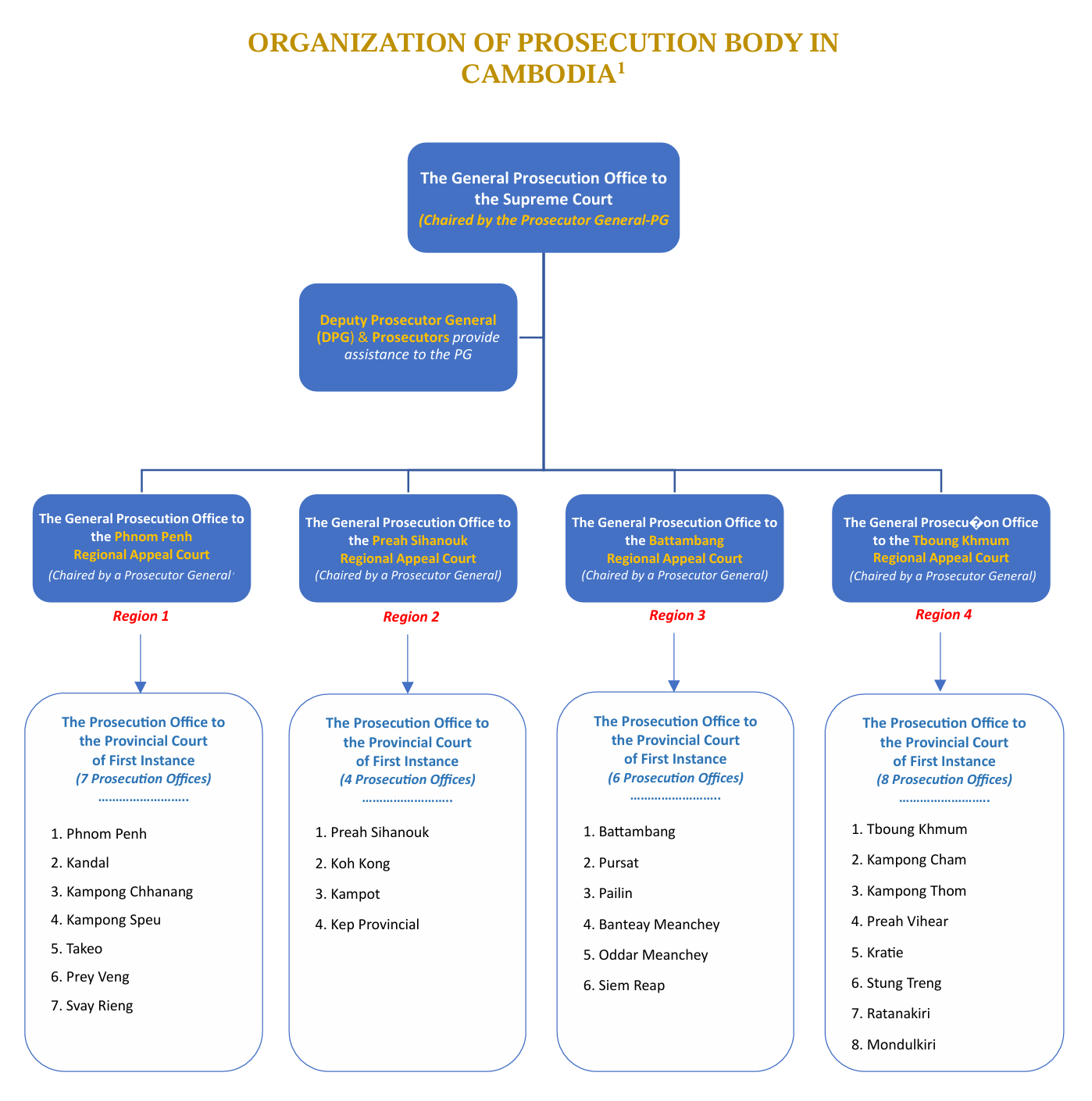
Organizational Chart
- The structure broadly includes: Prosecutor General (Head of GPOSC).
- Deputy Prosecutors General (assist the PG and oversee major divisions)
- Sections/Departments (each responsible for specific functions such as criminal cases, international cooperation, administration, etc.); and supporting administrative staff.
Leadership
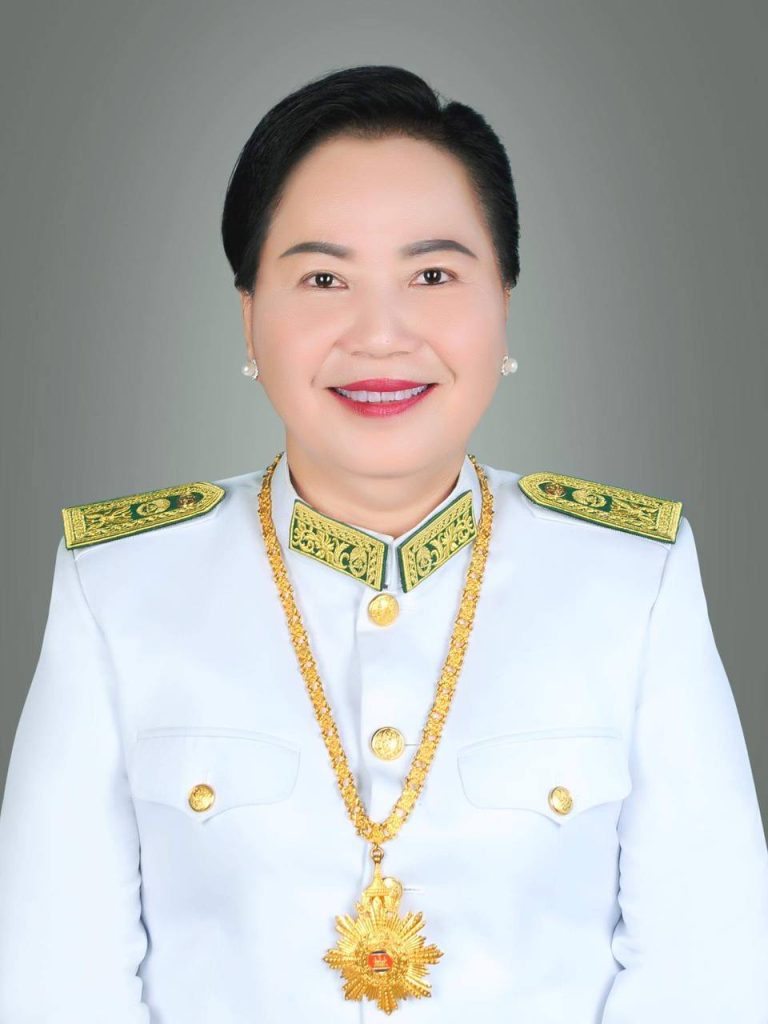
H.E. Mrs. Chea Leang
Prosecutor General to the Supreme Court of the Kingdom of Cambodia and the President of the Disciplinary Council of the Supreme Council of Magistracy for Prosecutors
Bio/Role: As the Prosecutor General, she leads and directs all prosecutorial functions before the Supreme Court, supervises the legal performance of all prosecutors nationwide, issues instructions, opinions, and guidance to ensure uniform application of the law, and exercises disciplinary authority over prosecutors within the framework of the Supreme Council of Magistracy.
Brief background: She previously served as National Co-Prosecutor at the ECCC (Khmer Rouge Tribunal) and received legal training in Germany, bringing extensive expertise to the position.
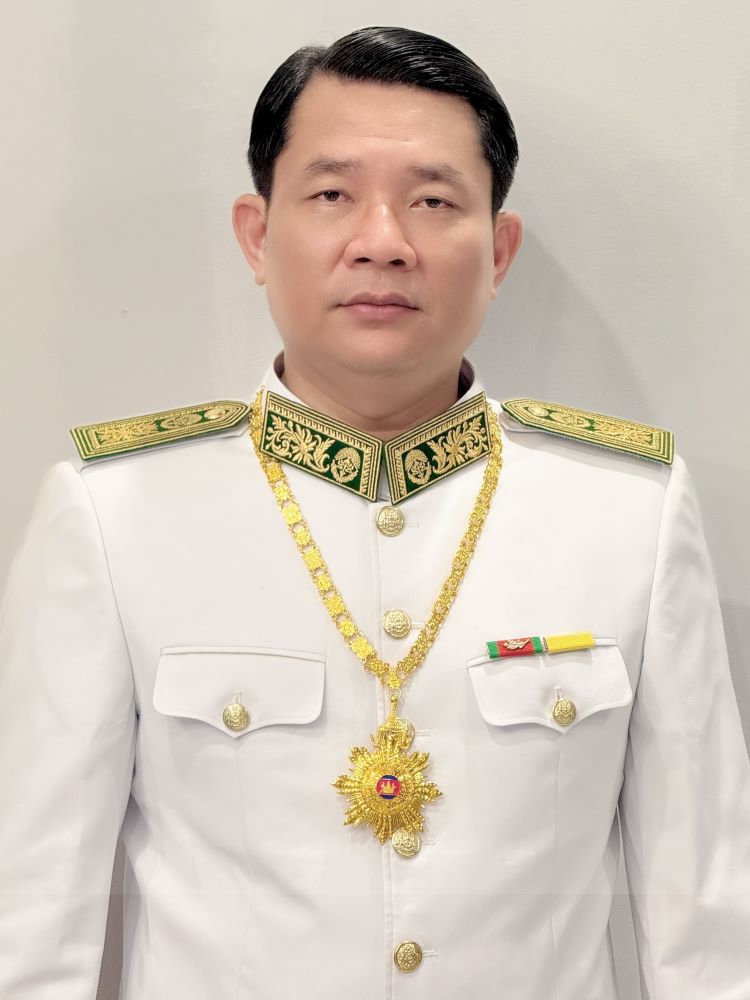
H.E. Mr. PHANN Vanrath
Deputy Prosecutor General.
Bio/Role:
Assists the Prosecutor General in reviewing all types of criminal and civil cases at the Supreme Court, attends hearings when assigned, and conducts inspections and evaluations of the professional performance and disciplinary conduct of prosecutors nationwide as instructed by the Prosecutor General.
He additionally serves as the Deputy Prosecutor General responsible for International Affairs and Cooperation, overseeing bilateral and multilateral prosecutorial cooperation with ASEAN, China-ASEAN, China, Russia and other jurisdictions.
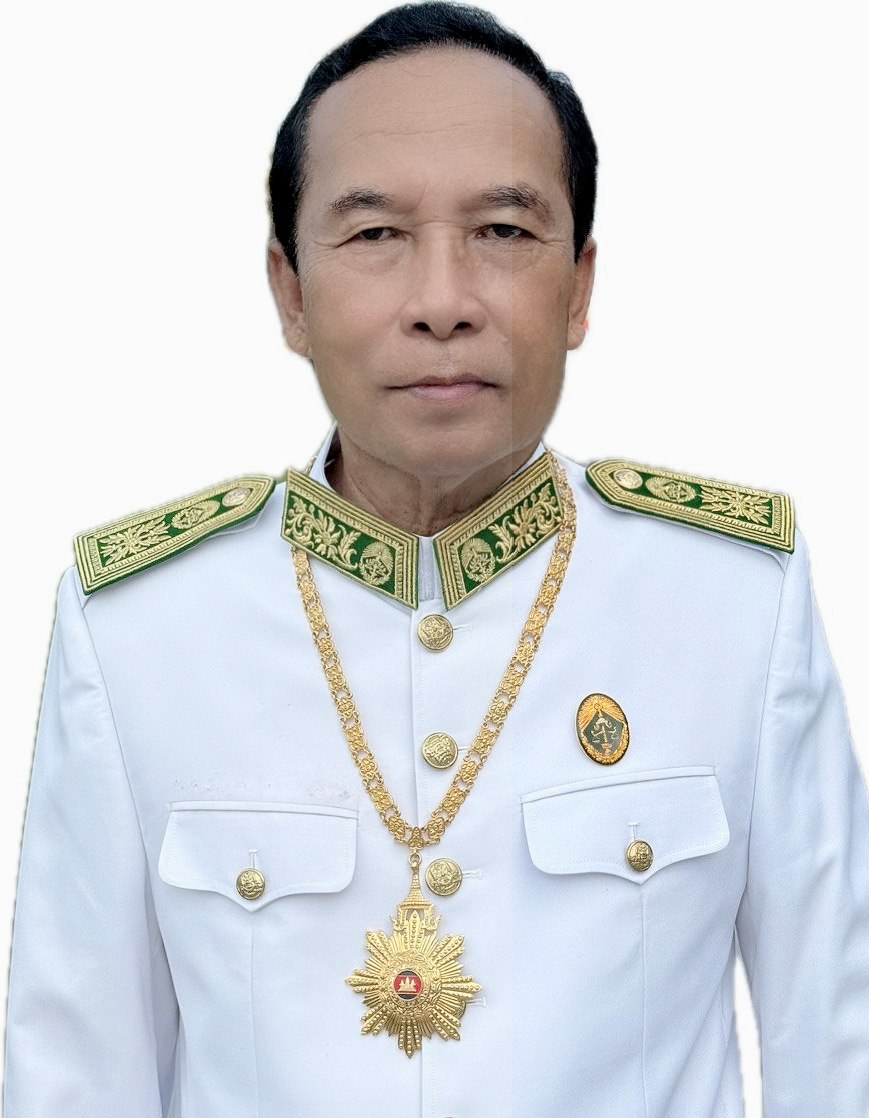
Deputy Prosecutor General.
Bio/Role:
Assists the Prosecutor General in reviewing all types of criminal and civil cases at the Supreme Court, attends hearings when assigned, and conducts inspections and evaluations of the professional performance and disciplinary conduct of prosecutors nationwide as instructed by the Prosecutor General.
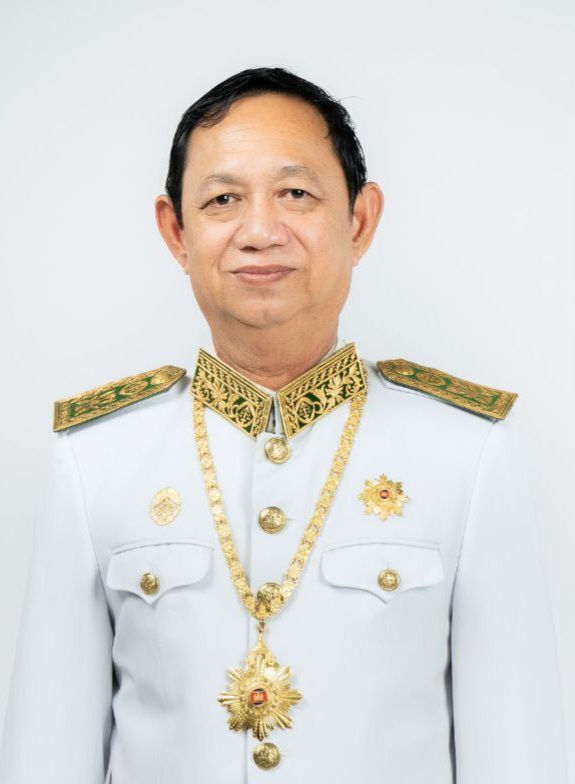
H.E. Mr. Chhoun Chantha
Deputy Prosecutor General.
Bio/Role:
Assists the Prosecutor General in reviewing all types of criminal and civil cases at the Supreme Court, attends hearings when assigned, and conducts inspections and evaluations of the professional performance and disciplinary conduct of prosecutors nationwide as instructed by the Prosecutor General.
Departments and Key Functions
Department of Criminal Affairs:
Responsible for handling and reviewing all criminal case files and appeals that come before the Supreme Court. This department prepares legal research on each case, drafts the prosecution’s briefs and recommendations, and ensures consistency in how laws are applied in criminal matters. It also monitors outcomes of cases and advises on whether to pursue further appeals (e.g., motions to reopen cases in the interest of the law).
Department of International Cooperation:
Manages GPOSC’s liaisons with foreign prosecution offices and international bodies. It handles extradition requests, mutual legal assistance in criminal matters, and collaborative initiatives with organizations like ASEAN and the United Nations. This department organizes official visits, negotiates Memoranda of Understanding (MoUs) with other countries’ prosecutorial services, and represents Cambodia in international prosecutor forums. (See also: International Cooperation section for examples of our global engagements.)
Department of Administration & Finance:
Oversees the administrative support, human resources, and budget of the Office. This includes managing personnel matters for prosecutors and staff, maintaining facilities, and ensuring compliance with public service regulations. The finance unit handles budgeting, procurement, and financial reporting, ensuring that the Office has the necessary resources and that funds are used accountably.
Department of Legal Research & Training:
Focuses on legal research, policy development, and training. It stays up-to-date on new laws, court jurisprudence, and legal scholarship to support ongoing cases. The department also produces guidelines or legal opinion drafts for use by prosecutors. In addition, it runs training programs and professional development workshops for prosecutors (both within GPOSC and in coordination with provincial prosecutors) to continually improve prosecutorial skills and knowledge.
Inspection & Internal Audit Unit:
(if applicable) Ensures internal oversight and ethics compliance. This unit would handle internal audits of case handling, investigate any misconduct complaints against staff within GPOSC, and enforce the Office’s code of ethics, thereby strengthening integrity and public trust. (This unit may be under the direct supervision of the Prosecutor General or a Deputy to ensure independence.)
Regional & Provincial Coordination
- Supervisory Role: The Prosecutor General’s Office, being at the apex, provides guidance and oversight to all prosecutors in the country. While each court (first instance and appeal) has its own prosecution office (led by a Prosecutor or an Appeals Prosecutor), GPOSC ensures that policies and legal interpretations are consistent nationwide.
- Coordination Mechanism: GPOSC issues circulars or guidance notes to provincial and municipal Prosecutors on important legal interpretations, procedural changes, or implementation of new laws. Regular meetings or conferences may be held (either quarterly or annually) where the Prosecutor General and deputies meet with prosecutors from across the country to discuss challenges, share best practices, and reinforce standards.
- Support & Training: Through the Department of Legal Research & Training (see above), GPOSC helps train and capacity-build local prosecutors. It may organize training workshops in different regions or invite provincial prosecutors to the capital for seminars, ensuring uniform application of law and improving skills in areas like legal research, advocacy, and ethics.
- Feedback Loop: Local prosecution offices can refer complex legal questions or seek advice from the Prosecutor General on cases of significant importance. This two-way communication helps maintain a cohesive prosecution service.
- Public Interaction in Provinces: If members of the public have concerns at the provincial level that are not addressed, they can escalate issues to the GPOSC. (See also: Public Information & Services > Complaint Submission Form for how citizens might reach out regarding local issues).