About
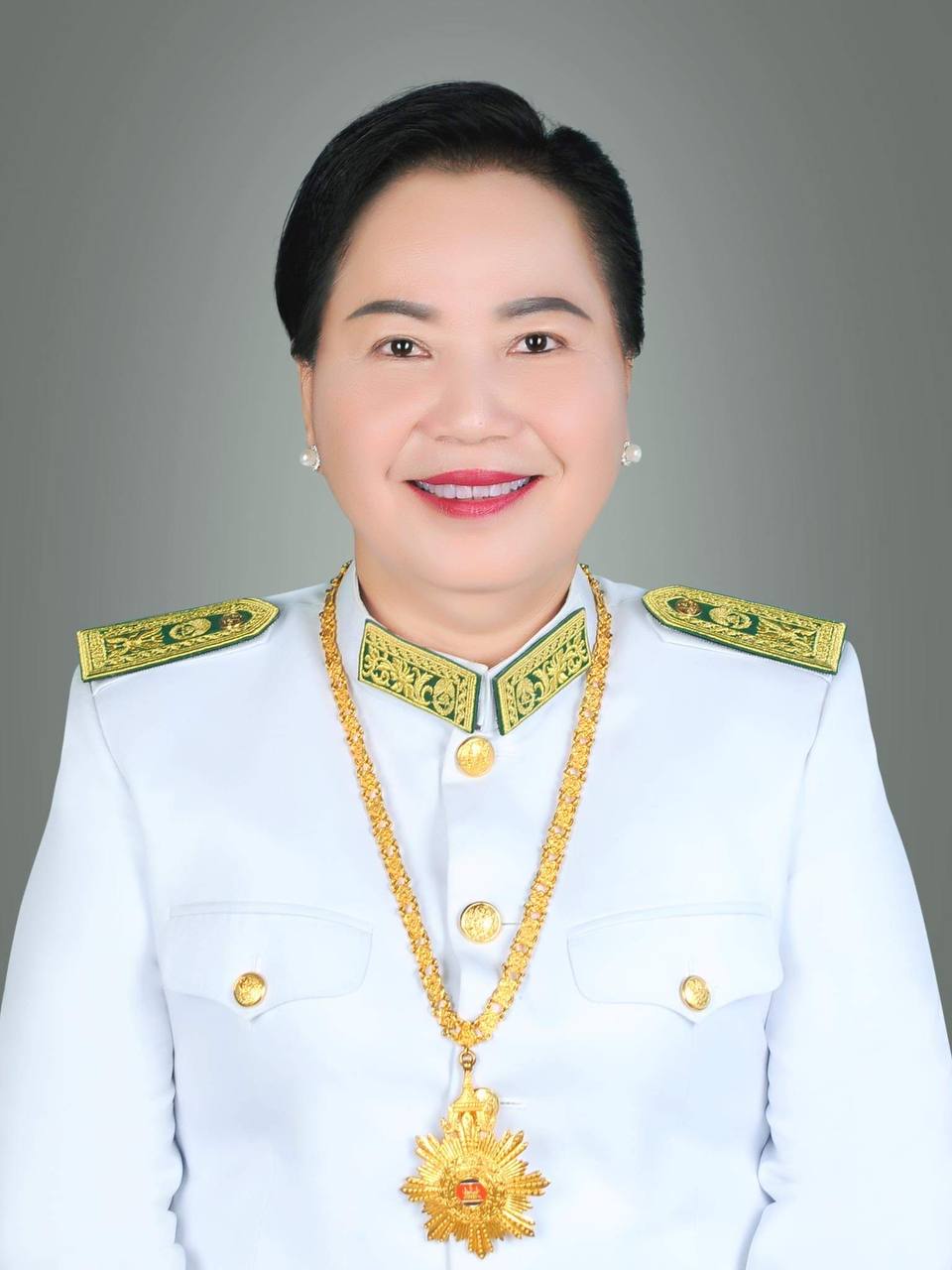
Message from the Prosecutor General
As the Prosecutor General to the Supreme Court, I am honored to lead a dedicated team of jurists and prosecutors committed to upholding justice and the rule of law in the Kingdom of Cambodia. Our General Prosecution Office plays a crucial role in ensuring that justice is served at the highest appellate level, and that the interests of the State and people are safeguarded in every case.
Over the years, we have undertaken significant reforms to strengthen judicial integrity, enhance the effectiveness of prosecutions, and improve transparency. This website is part of our commitment to openness — a platform for citizens to understand our work, access legal resources, and engage with our Office.
We stand guided by the principles of Independence, Integrity, and Public Trust. Every action we take is in service of the law and the Cambodian people. I invite you to explore the information available here and learn more about how we are working to deliver fair justice for all.
Sincerely,
H.E. Mrs. Chea Leang
Prosecutor General to the Supreme Court
History & Establishment
- Foundation of the Modern Judiciary (1990s): After the restoration of Cambodia’s judiciary in 1993, a prosecution office was established at each court level. The Office attached to the Supreme Court – now the GPOSC – was formed as the highest prosecutorial authority to represent the State in the Supreme Court.
- Legal Framework: The establishment of GPOSC was reaffirmed and structured under the Law on the Organization of the Courts (2014), which formally defines the Prosecutor General’s Office attached to the Supreme Court. This law outlines the composition and function of prosecution offices at all court levels, including the Supreme Court. Download Resource
- Key Milestones: Over the years, GPOSC has grown and adapted. Notable milestones include: the appointment of the first female Prosecutor General (H.E. Chea Leang) in the 2000s, the Office’s involvement in the Extraordinary Chambers in the Courts of Cambodia (ECCC) in prosecuting Khmer Rouge crimes, and the implementation of judicial reforms in the 2010s to improve efficiency and integrity.
- Today: The GPOSC now operates as an integral part of Cambodia’s justice system, with modern infrastructure and a clear mandate to oversee prosecutions at the highest level. Its establishment reflects Cambodia’s commitment to a rule-of-law society post-conflict, rebuilding trust in legal institutions through professionalism and adherence to law.
- Visuals:
Vision, Mission & Core Values
Vision:
Mission:
Core Values:
- Independence: We act without undue influence, maintaining the impartiality of prosecution as a cornerstone of justice.
- Justice: Commitment to fairness, equity, and the consistent application of the law in all our actions.
- Integrity: All members of GPOSC uphold the highest ethical standards, honesty, and accountability in every case and decision.
- Transparency: We perform our duties openly where possible and provide information to the public to build trust in the justice system.
- Public Trust: We recognize that our authority is entrusted by the people; earning and maintaining public confidence is paramount to our legitimacy.
Legal Mandate
- Constitutional Basis: Under the Constitution of the Kingdom of Cambodia, the prosecution is part of the judiciary. The Prosecutor General to the Supreme Court is appointed by Royal Decree, upon recommendation of the Supreme Council of the Magistracy, reflecting the constitutional principle of judicial independence. (See also: Resources for the Constitution text.)
- Law on Courts (2014): The Law on the Organization of the Courts (2014) formally establishes the Prosecution Office attached to the Supreme Court. It defines the structure: a Prosecutor General leads the office, with Deputy Prosecutors General and prosecutors assisting. The law mandates that a representative of the prosecution (the Prosecutor General or delegate) must be present in all Supreme Court hearings, ensuring the state’s interests are represented and the law is uniformly applied at the final appellate level.
- Role and Powers: GPOSC has the authority to initiate or respond to appeals in criminal cases before the Supreme Court, including appeals “in the interest of the law” (i.e., ensuring consistent legal interpretation even when no party appeals). In certain civil cases (such as those involving public interest or state parties), the Prosecutor General may also participate or advise. The Office does not adjudicate cases (that is the role of the judges) but provides legal opinions and recommendations to the Court and advocates for the enforcement of law and justice.
- Relation with the Supreme Court: The GPOSC is an office attached to the Supreme Court. This means it works alongside the Court during case proceedings, but it remains separate from the judges. Prosecutors from GPOSC present arguments, motions or recommendations in court, but the final decisions are made by Supreme Court judges. This separation ensures impartiality of the judiciary while enabling the prosecution to perform its duties.
- Relation with the Ministry of Justice: Administratively, the GPOSC coordinates with the Ministry of Justice on policy implementation, training, and resources. However, in terms of casework and legal decision-making, the Prosecutor General’s Office operates independently under the law. The Ministry may facilitate resources and general oversight, but it cannot interfere in specific prosecutorial decisions or court proceedings.
- Supreme Council of the Magistracy: The Prosecutor General is a member of the Supreme Council of the Magistracy (the body overseeing judges and prosecutors nationwide). Through this role, GPOSC contributes to high-level decisions on appointments, discipline, and broader judicial policy, further anchoring its mandate in Cambodia’s judicial governance structure.